
Our commitment to a safe and respectful campus
Washburn University upholds a strong commitment to creating and maintaining a campus environment free from sexual harassment, discrimination and misconduct. We take all reports seriously and respond promptly, equitably and with care for all parties involved.
Title IX policy
Washburn University is committed to providing an environment for individuals to participate in its education programs or activities free from sexual harassment or discrimination.
Sexual harassment is prohibited by Federal Law (commonly known as
Title IX) and by University policy.
Complaints of sexual harassment can be filed at any time, there is no filing deadline.
Members of the University community are encouraged to submit complaints of Sexual Harassment as soon as possible, preferably within six months of the incident or event that is the subject of the complaint. Delay in reporting an incident of Sexual Harassment may make it more difficult to secure evidence and witnesses to the incident, making it more difficult for the University to address the complaint. Delay in bringing a complaint also limits the University’s ability to stop recurrence of the harassment and ensure the safety and well-being and the University community.

Confidential reporting
Supportive & interim measures

How to file a complaint
Complaint process
The following people have been designated to handle inquiries regarding the Title IX policies
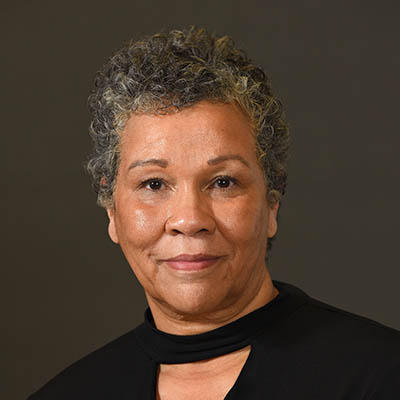
Michelle Godinet
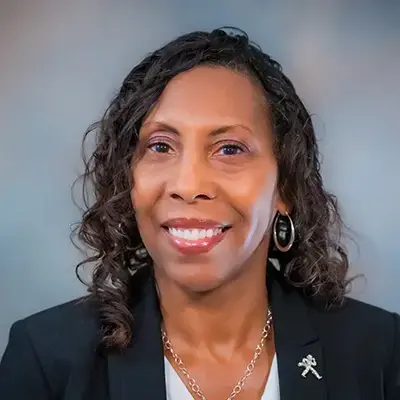
Danielle Dempsey-Swopes
Read the full policy
Read the full Title IX policy in Section A of Washburn University's Policies, Regulations and Procedures Manual (WUPRPM).
A note about consensual and familial relationships
Washburn University values professionalism, integrity, and fairness in all academic and workplace settings. To prevent conflicts of interest, favoritism, or the appearance of exploitation, employees and students must report any consensual or familial relationships where one person has authority over the other—such as teaching, supervising, advising or evaluating. Certain relationships, like those between faculty or staff and students they oversee, are not permitted. When a relationship is reported, the University works with those involved to create a mitigation plan that helps manage potential conflicts. Prompt disclosure provides a safe-harbor from discipline for failing to report, while failure to report may lead to corrective action. All reports are handled confidentially and retaliation is strictly prohibited.
Retaliation
No person may intimidate, threaten, coerce, or discriminate against any individual (including any individual who intervened to stop or attempt to stop sexual harassment) for the purpose of interfering with any right or privilege secured by Title IX or the corresponding regulations, or because the individual has made a report or complaint, testified, assisted, or participated or refused to participate in any manner in an investigation, proceeding, or hearing under this regulation or opposed this regulation or a practice under this regulation because it is discriminatory.
Any person who believes they have been retaliated against should report the retaliatory behavior to the Title IX Coordinator. Retaliation charges resulting from matters under this Title IX process shall be investigated and resolved through this Title IX process. Learn more about how to file a complaint.
FAQS
Yes. Washburn University offers amnesty for alcohol and drug violations in cases involving sexual violence or other forms of sex-based discrimination or harassment. Students who report an incident will not be disciplined for alcohol or drug use that occurred during the incident.
This policy encourages students to report sexual harassment, assault or misconduct without fear of punishment for related substance use. (See section 16.4.1.4 of the Title IX Regulations and Procedure in the WUPRPM)
The University Title IX Policy applies to programs and activities that the University has substantial control over and it also includes any building owned or controlled by a student organization that is officially recognized by the University. If the sexual harassment occurs while attending a University controlled/sponsored event even though it is off-campus, the Title IX Policy would be applied. (See section 16.2.9 of the Title IX Regulations and Procedure in the WUPRPM)
If the event was off campus and the University did not have control over the event or the building where the event was held, the Title IX Policy would not be applied. (See section 16.5.2 of the Title IX Regulations and Procedure in the WUPRPM)
However, supportive measures would still be available and referrals may be made to other offices at the University. (See section 16.4.5 of the Title IX Regulations and Procedure in the WUPRPM)
Seek then Speak
GET IN TOUCH WITH Equal Opportunity
Equal Opportunity
Morgan Hall, Room 200K
1700 SW College Ave
Topeka, Kansas 66621
Phone & Email
785.670.1310
eodirector@washburn.edu
